James Charles: The Minor-Sexting Fallout

18. James Charles: The Minor-Sexting Fallout
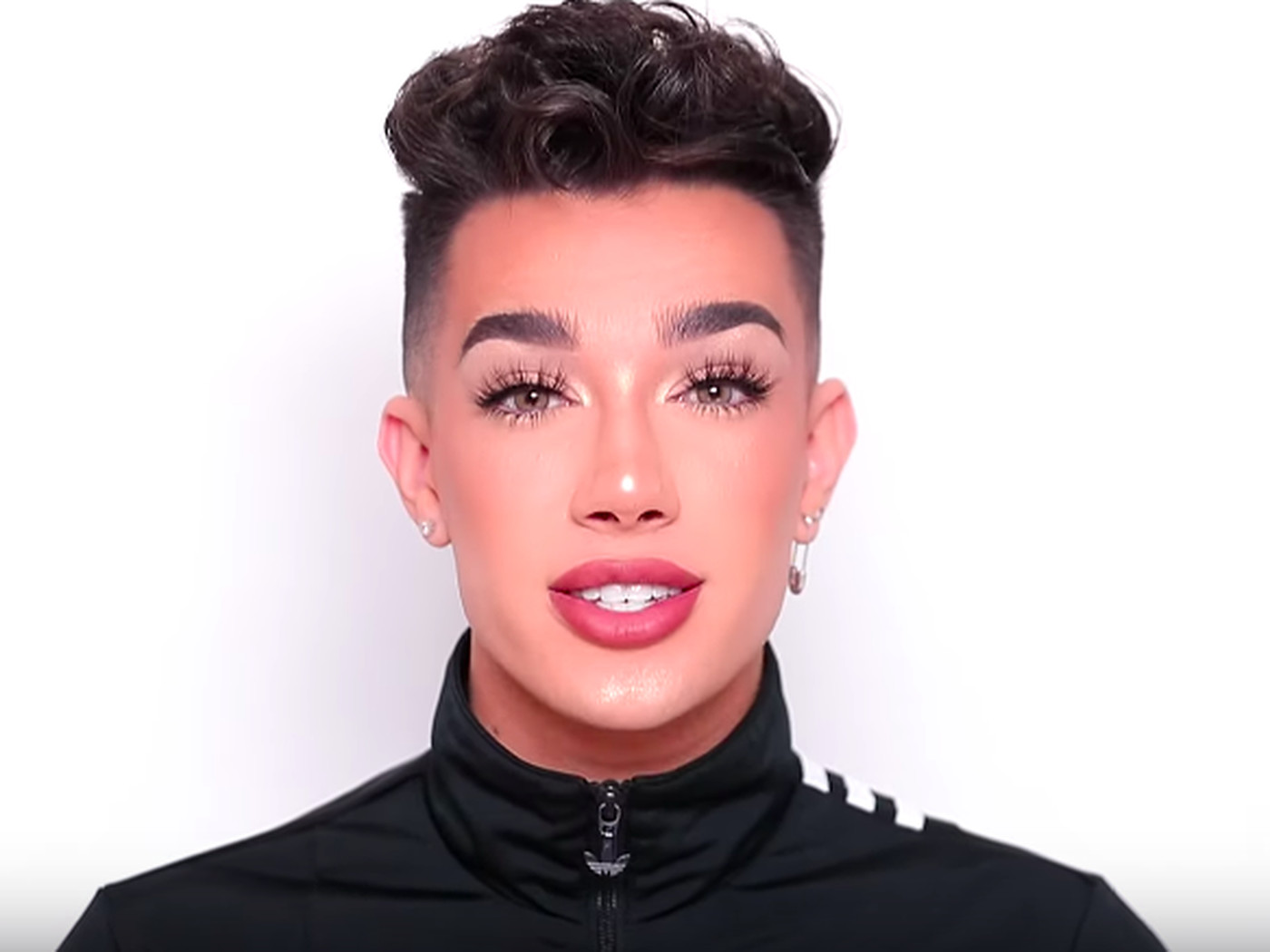
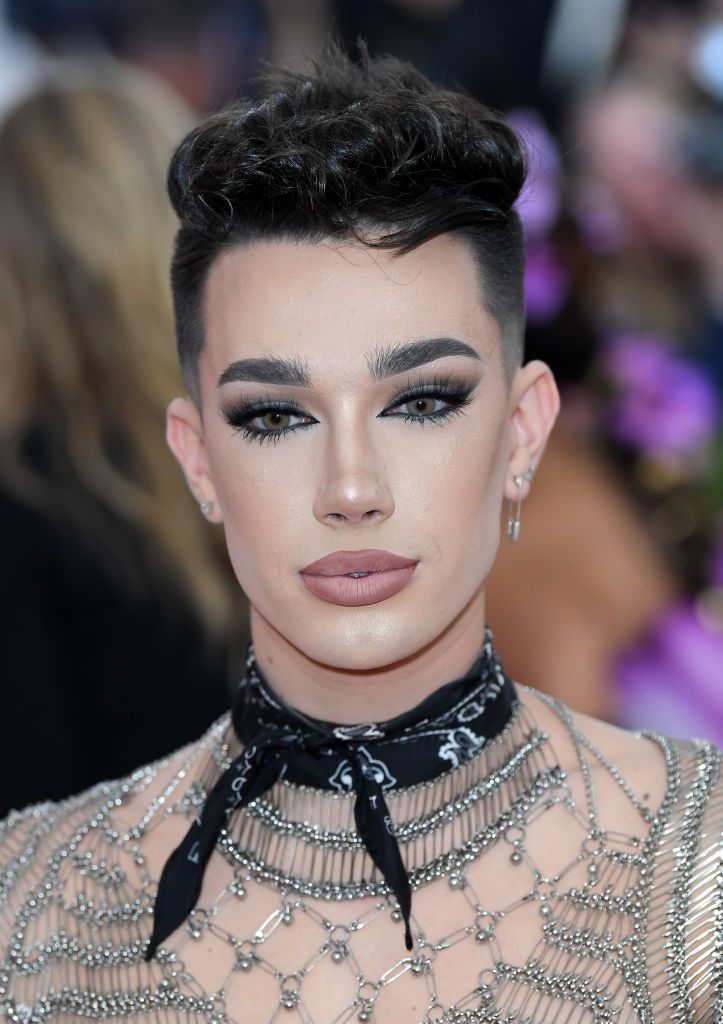
The allegations originated where the audience lived — TikTok and Snapchat posts from teenagers saying the beauty YouTuber had sent sexual messages after learning their ages. On April 1, Charles posted a video acknowledging sexual communications with two 16-year-olds, saying they had represented themselves as 18 — an admission of the communications, framed as a mistake about age. The platform fallout was swift: Morphe ended its partnership, and YouTube temporarily demonetized his channel in April amid the accusations. The discourse was the year's defining creator-accountability case: a beauty-community figure whose audience skewed young, with the power imbalance — not just the age question — as the central charge. Broader allegations beyond the two acknowledged cases must remain attributed claims, not findings. Socially, TikTok and Snapchat were the origin, YouTube the stage for the admission, Twitter the courtroom — the first 2021 proof that creator-economy platforms would act as the enforcement layer when the legal system moved slowly or not at all. The case also exposed the parasocial economics of beauty YouTube: an audience of teenagers, a creator whose brand was intimacy, and a platform whose monetization rules became the de facto court. Charles's channel survived the demonetization period and he eventually returned to uploading, but the Morphe partnership — the brand relationship that had defined his commercial peak — never came back.
- Why it went viral: One of YouTube's biggest beauty creators admitting sexual communications with 16-year-olds on camera — and the brand and platform pile-on that followed within days.
- Engagement signals: Apr 1 admission video (his words, platform-confirmed); Morphe split and YouTube demonetization (confirmed via contemporaneous reporting); like/view counts not publicly reported. Observed Sep 22, 2026.
- Sources: Dazed — YouTube demonetization amid accusations (Apr 2021) · Gizmodo — demonetization (Apr 2021) · TBS News — temporary demonetization
- Confidence: confirmed (his admissions, Morphe split, demonetization); broader allegations = alleged, attributed
- Cross-year note: the platform-as-enforcer template recurs in the Dobrik arc (#19) — 2021's twin creator-reckoning stories.