Bill Cosby: The Allegations That Finally Stuck
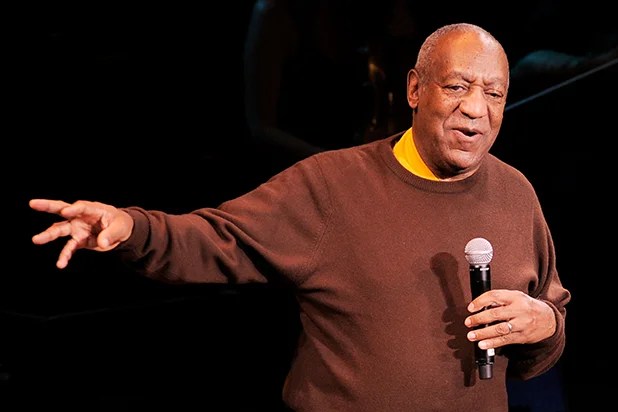
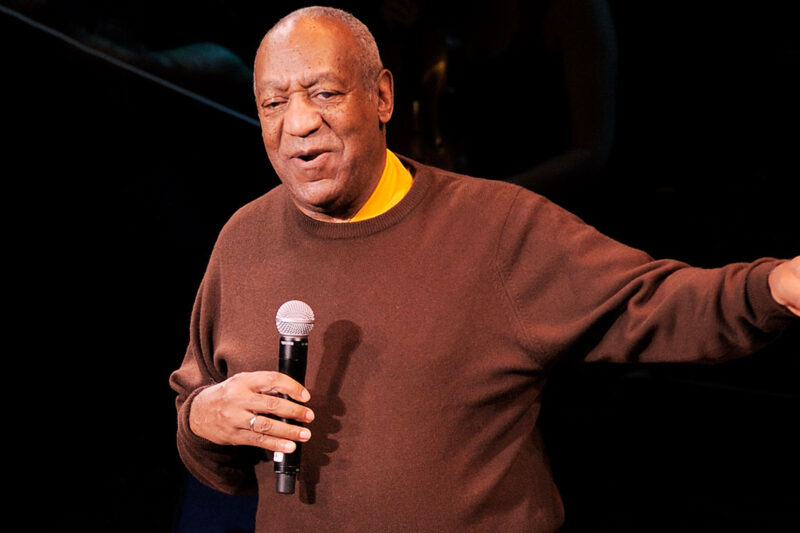
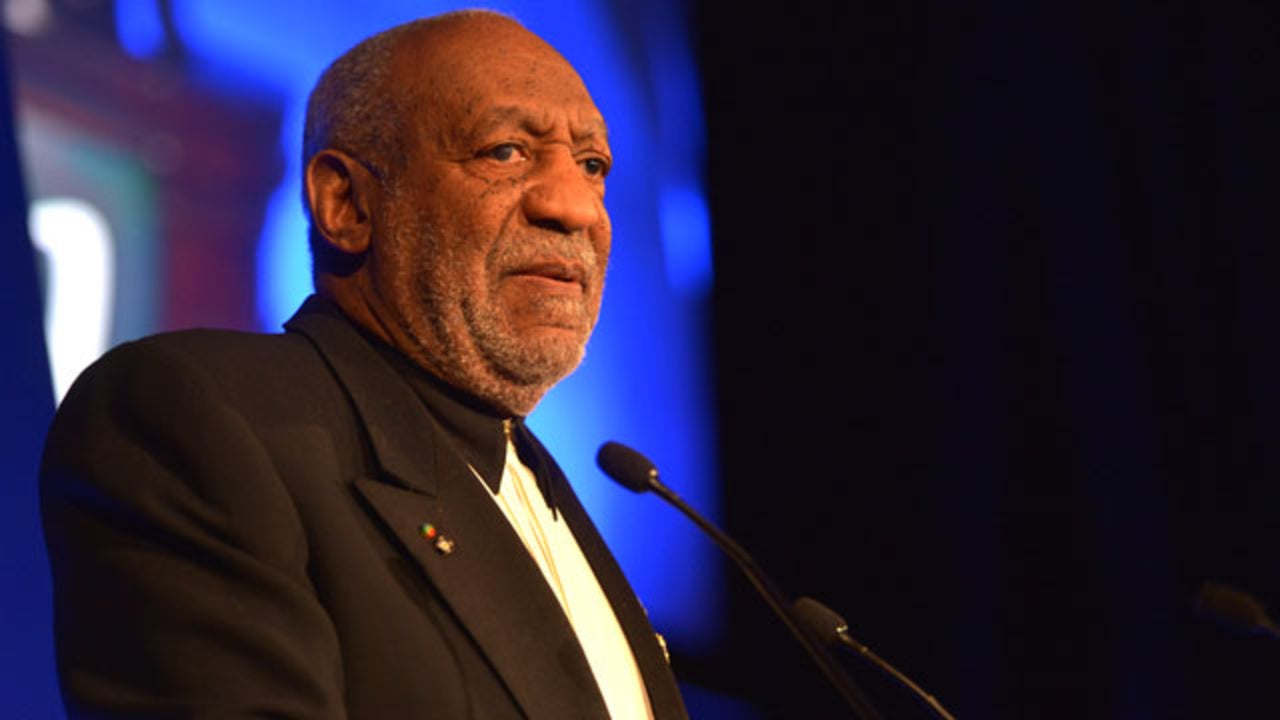
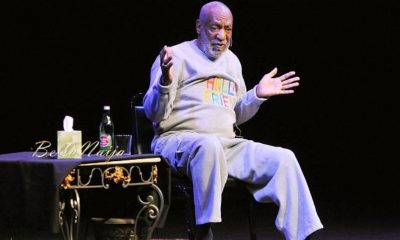
13. Bill Cosby: The Allegations That Finally Stuck
Image: assets/2014_bill_cosby.jpg (alt: "Bill Cosby — the 2014 allegations reckoning") Additional images: 2014_bill_cosby_2.jpg, 2014_bill_cosby_3.jpg, 2014_bill_cosby_4.jpg, 2014_bill_cosby_5.jpg Date line: October–November 2014 · Philadelphia clip → national news
The allegations against Bill Cosby were decades old; 2014 was the year they became unavoidable. In mid-October, a clip of comedian Hannibal Buress's stand-up set — calling Cosby out by name over the long-reported accusations — went viral on YouTube and Twitter, and the dam broke within weeks. On November 10, Cosby's team launched a "Meme Me!" social campaign inviting fans to caption his photo; it was instantly hijacked into an accusation megaphone and deleted. On November 13, Barbara Bowman's first-person essay in the Washington Post detailing her alleged assault reportedly drew 2 million views. On November 15, Cosby stayed conspicuously silent when an NPR interviewer asked about the claims; on November 16, his lawyer issued a blanket denial. Janice Dickinson and Joan Tarshis then made their own attributed allegations public, with Cosby's lawyer disputing Dickinson's account. The Buress set was October 16 in Philadelphia, and the clip that escaped that room changed everything. On November 15, NPR's Scott Simon pressed Cosby on air and got the now-infamous "there is no response" silence — a non-answer that became its own meme. The industry fallout was confirmed and swift: NBC scrapped a planned Cosby sitcom, Netflix shelved his stand-up special, and TV Land pulled Cosby Show reruns. By December, the trickle of named accusers had become a procession, and the "America's Dad" image was functionally over. Defamation discipline applies throughout this dossier: the assault claims are described as reported allegations, never asserted as fact; the viral resurfacing and the corporate fallout are the confirmed story.
- Why it went viral: A comedian's viral clip did what decades of reporting hadn't — forcing the allegations into the mainstream news cycle, where a catastrophically mistimed meme campaign poured gasoline on them.
- Engagement signals: Bowman's WaPo essay reportedly hit 2M views (Nov 2014); project cancellations confirmed via network statements.
- Sources: GantNews — how we got here · SoCast — allegation timeline · Bustle — lawyer responds to Dickinson claims · ET — Dickinson details alleged assault
- Confidence: disputed (the claims themselves — Cosby's lawyer issued blanket denials); confirmed (the viral resurfacing and the corporate fallout)