Guilty: The Conrad Murray Verdict

16. Guilty: The Conrad Murray Verdict
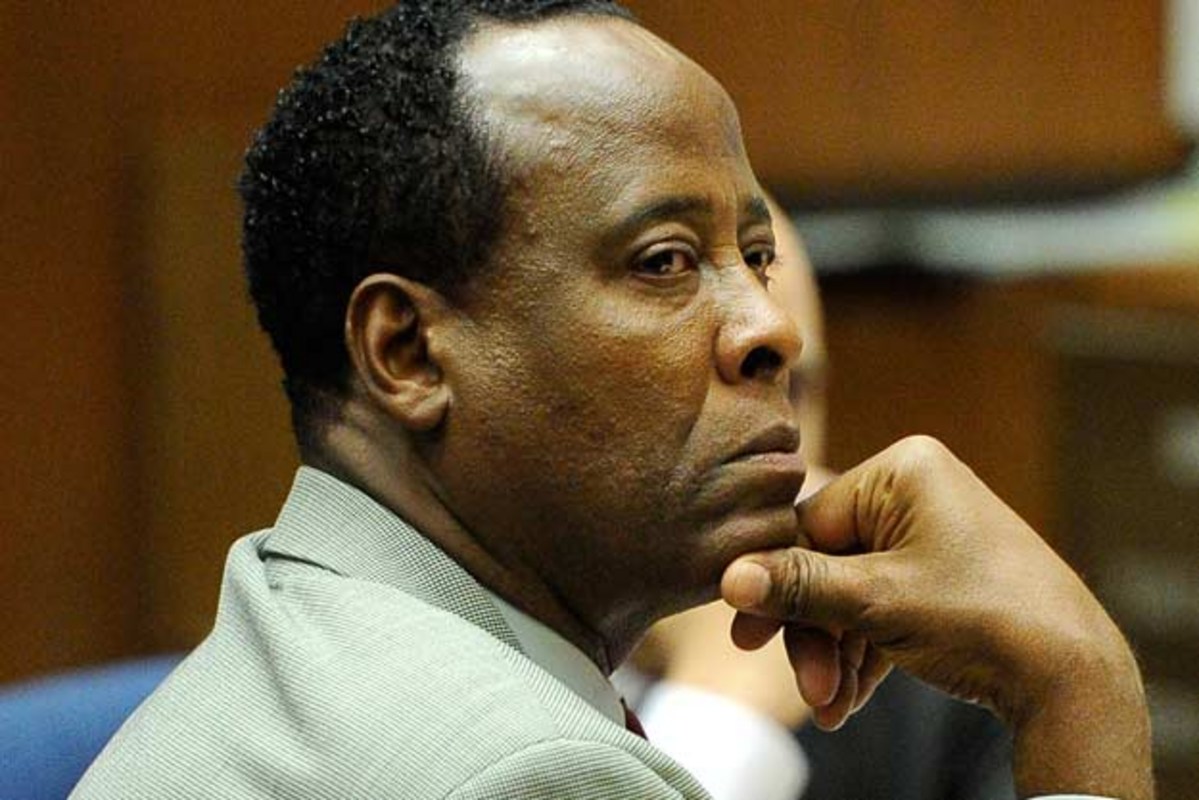
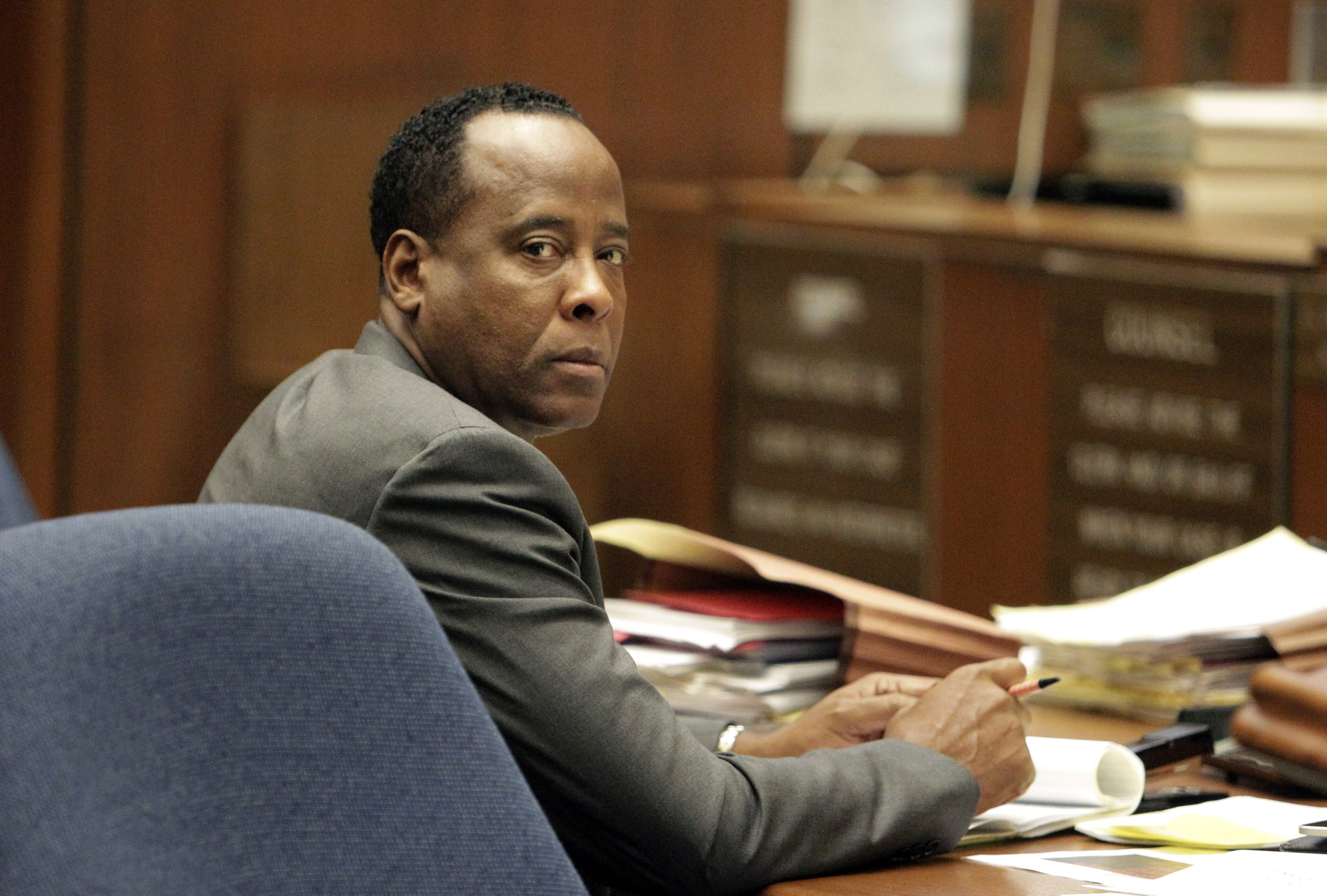
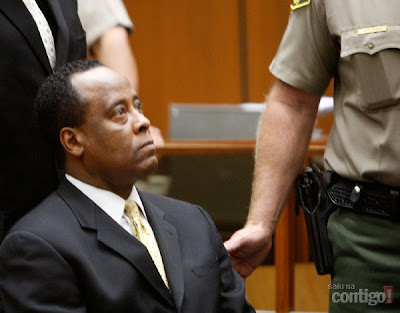
Image: assets/2011_conrad_murray_2011.jpg (alt: "Dr. Conrad Murray — court, 2011") Additional images: 2011_conrad_murray_2011_2.jpg, 2011_conrad_murray_2011_3.jpg, 2011_conrad_murray_2011_4.jpg, 2011_conrad_murray_2011_5.jpg Date line: Monday, November 7, 2011 (verdict); Tuesday, November 29, 2011 (sentencing) · Los Angeles
The legal coda to the death that broke the internet in 2009 — and 2011's biggest courtroom-as-content event. On Monday, November 7, 2011, a Los Angeles jury found Dr. Conrad Murray guilty of involuntary manslaughter in the death of Michael Jackson, after a six-week trial televised gavel-to-gavel. The prosecution's case: Murray administered the fatal propofol dose and acted with criminal negligence; the defense's position — that Jackson self-administered — was rejected by the jury. Keep the defense theory attributed, never stated as fact. On Tuesday, November 29, Murray was sentenced to the maximum four years. The ABA Journal and AETV documented the verdict; the Christian Post covered the guilty finding with photos. The social layer: Jackson's fans and the broader public treated the verdict as communal catharsis, the trial live-tweeted and live-blogged for six weeks. The structural role: the template for the televised celebrity trial as a social-media event — every gavel-to-gavel case after would be measured against it. The verdict landed on front pages worldwide and closed a chapter that had begun with the most-searched death in internet history. Jackson's family attended throughout; fans gathered outside the courthouse daily. In dossier terms, it completed the arc from crowd-reported death (2009) to crowd-watched trial (2011) — the full lifecycle of a modern celebrity tragedy.
- Why it went viral: Two years after the death that broke the internet, the televised reckoning — verdict as communal catharsis.
- Engagement signals: Six-week televised trial; guilty verdict Nov 7; maximum 4-year sentence Nov 29; no published social metrics — not publicly reported.
- Sources: AETV — Jackson death/Murray case · ABA Journal — guilty verdict · Christian Post — guilty finding. Cross-link: #4 — Winehouse (the death-announcement template).
- Confidence: confirmed (verdict, sentence); defense theory attributed, not stated as fact